A blank strategy template and a free AI planning tool can produce something that looks like a business plan in under an hour. The real question isn't whether you can produce a document, it's whether that document holds up the first time it gets tested, in front of a lender, an investor, or your own team six months from now when the assumptions inside it turn out to be wrong.
This isn't an argument against DIY planning. For the right business at the right moment, it's a completely reasonable choice. It's a clear look at what you're actually trading away when you skip outside help, what a consultant adds that no template can replicate, and how to tell which path fits your business right now.
What DIY Business Planning Actually Looks Like in 2026
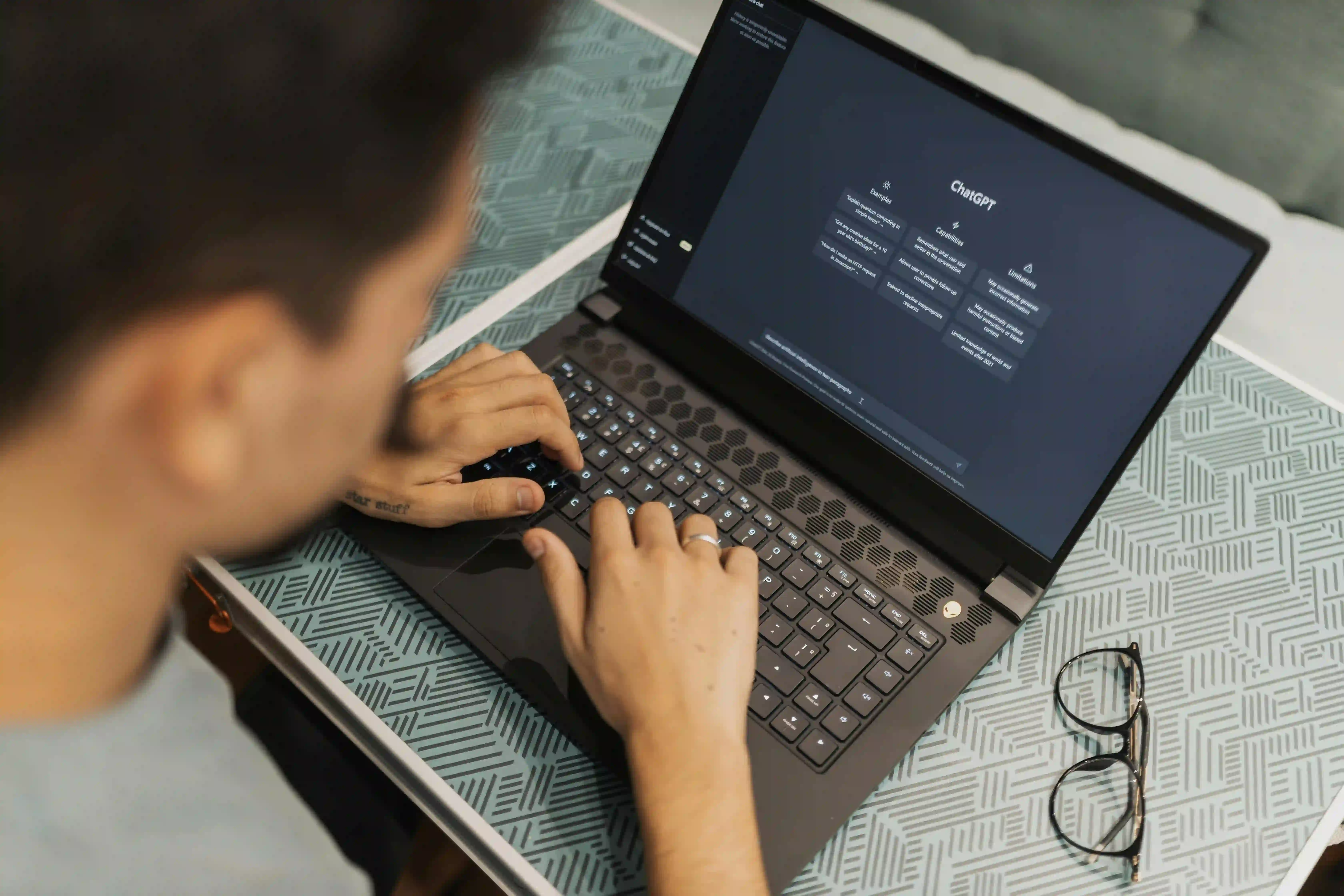
Free templates, spreadsheet models and AI planning tools help any founder create a document by answering a series of prompts. The result looks professional with projections and a formatted executive summary. What these tools cannot do is determine whether your specific assumptions, about pricing, customer acquisition cost or market size are correct because they have no way to question a number you entered yourself.
What You Actually Get (and Don't) With DIY
- You get: a complete document in a fraction of the time, at little or no cost
- You get: full control over the language and structure of the plan
- You don't get: anyone pushing back on assumptions that don't hold up under scrutiny
- You don't get: a competitor audit grounded in real research rather than a guess
- You often don't get: a document that a lender or serious investor takes at face value
The Real Cost of DIY: Time, Credibility, and Redo Work
The sticker price is the easy part to see. The harder part is what a DIY plan costs in owner time and in credibility once it's actually used for something that matters. A founder spending 40 to 120 hours assembling a plan is time not spent running the business, and if that time is worth even $100 an hour, the free plan has quietly cost several thousand dollars in labor before it's ever tested.
The credibility cost is the one that shows up quietly and kills deals without much warning. Lenders and investors read business plans constantly, and a plan with generic risk statements, unrealistic assumptions, or financial projections that don't reconcile is easy for them to spot. That's not a hypothetical: roughly a third of DIY implementation projects across industries fail to hold up as planned, largely because no outside party challenged the thinking before it was put into action.
What a Consultant Adds That Templates Can't
A consultant isn't just producing a nicer-looking version of the same document. For a look at what that process actually includes, see our guide on what's included in a business strategy engagement.
- Structured discovery that surfaces the assumptions a founder is too close to question
- A real competitor and market audit, not a guess based on a quick search
- Tighter financial logic that holds up when a lender or investor pushes back on it
- A written roadmap with specific next steps, not just a formatted document
Quick Gut-Check: DIY or Consultant?
If you're still torn, this usually settles it fast.

A Quick Example: Same Question, Two Outcomes
A founder preparing to apply for a small business loan spent three weekends building a plan using a free AI tool. The projections looked clean on the surface, but the growth assumptions in year two relied on a customer acquisition cost roughly a third of what similar businesses in the same city actually reported. The lender's underwriter caught it in the first review, and the application was delayed by six weeks while the founder reworked the numbers alone.
A second founder in a similar situation paid for a single strategy session before submitting a loan application. The consultant asked for the source behind the acquisition cost assumption, found the same gap, and helped rebuild that section with numbers pulled from the founder's own early customer data instead of an industry average. The application went through on the first submission. The fee for that one session, less than the interest the first founder ended up paying on a smaller loan approved months later after multiple resubmissions.
Common DIY Mistakes That Cost Businesses Later
- Financial projections built on assumptions nobody outside the business has tested
- A generic risk section that lists obvious competition without a real mitigation plan
- Skipping the hard questions internally, since nobody wants to challenge their own thinking
- Submitting a self-written plan to a lender without knowing what lenders specifically look for
DIY vs Consultant at a Glance

|
Cost |
What You Get |
Owner Time Needed |
|
|
DIY Planning |
$0 to $500 |
A generic framework, no outside challenge to your assumptions |
40 to 120 hours |
|
Business Consultant |
$399 to $999+ |
Tested logic, a real competitor audit, a document lenders trust |
5 to 10 hours |
What This Looks Like at PostPal
If you decide outside help is the right call, our pricing page lays out exactly what's included at every tier, so there's no ambiguity about deliverables before you commit. And if you're still deciding how much strategy work you actually need, our guide on business strategy session cost in 2026 breaks down exact numbers at every level.
Conclusion
DIY planning is not a mistake. Hiring a consultant is not automatically a smarter move either. The right choice depends entirely on what's actually riding on DIY planning. If you're still validating an idea, a free tool buys you time without wasting money. If real capital, credibility, or a major decision depends on the outcome, a consultant's outside scrutiny is usually worth far more than its price tag. Take a look at our business strategy services or check our pricing page to see what a real engagement costs before you decide.
Disclaimer: Figures and statistics in this article are general 2026 market averages compiled from multiple industry sources and are provided for informational purposes only. Actual outcomes vary by business, industry, and execution, contact PostPal Solution directly for a custom quote.
Frequently Asked Questions
Is DIY business planning good enough for a small business?
Can a DIY business plan hurt my chances with lenders?
How much time does DIY planning actually take?
What's the biggest risk of skipping outside input?
When should I upgrade from DIY to a consultant?
Is a hybrid approach possible?