You've got a limited marketing budget and two options staring back at you: pay for clicks starting tomorrow, or invest in organic rankings that might take months to show up. It's one of the most common questions we get from business owners, and the honest answer isn't "pick one": it's understanding what each one actually buys you, including a difference that didn't used to matter as much: only one of these shows up when someone asks ChatGPT or Google's AI Overview for a recommendation.
Let's break down what each option really costs, how fast each one works, and how to decide where your next dollar should go with real 2026 numbers instead of the usual vague "it depends."
The Short Answer
- Need leads this month: start with PPC.
- Building something that lasts, including AI-search visibility: SEO is non-negotiable, sooner rather than later.
- Have any budget flexibility at all: run both PPC for immediate leads, SEO for what sticks around.
That's the short version. Here's the reasoning, with real 2026 numbers.
How PPC Pricing Actually Works
PPC has two separate cost buckets that a lot of quotes blur together: the management fee and the actual ad spend. Management typically runs 10-20% of ad spend, or a flat $1,000-$3,000/month. On top of that, you're paying the platform directly for clicks anywhere from $1-$8 on average across most campaigns, though competitive industries like law or insurance can push past $100 per click. Most small-to-mid businesses end up spending $1,000-$10,000/month total, ad spend and management combined, with the average Google Ads account landing around $3,100/month.
Costs also vary a lot depending on the platform. Google Search usually costs $1 to $6 per click. Facebook and Instagram are lower, from $0.30 to $1.80. LinkedIn is much higher, from $4 to $12, because of its B2B audience. Local Service Ads charge per lead or per click, usually between $5 and $45. They usually cost between five dollars and forty five dollars. None of these are the same. A $10 LinkedIn click aimed at a $50,000 B2B contract can be a much better deal than a $1 click that never turns into a sale.
Here's a number worth sitting with: research suggests roughly a third of ad spend gets wasted on poor targeting or weak keyword selection without real management. That's exactly why the management fee often pays for itself a good manager typically recovers 20-40% of that wasted spend through better targeting and ongoing optimization.
What the Numbers Actually Look Like Over Time
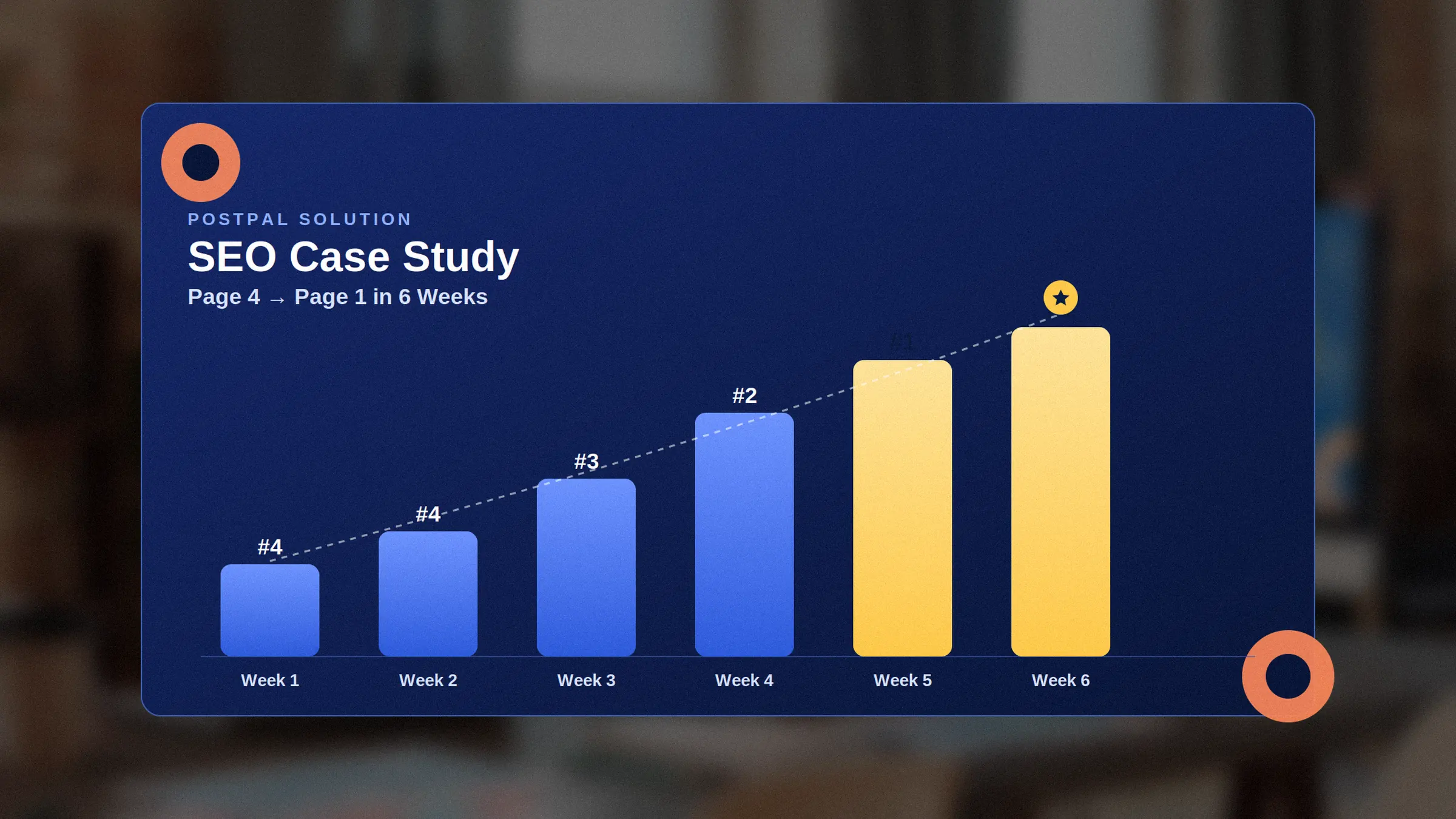
PPC traffic is like a switch. It turns on when you are paying and turns off the moment you stop. SEO is like a savings account: it takes time to grow but the value increases over time and keeps giving benefits even after the initial work is done. Most businesses see the value curves cross somewhere in the middle of the year though the exact time depends on how much competition there is and how consistent the efforts are.

The Difference AI Search Actually Makes
Here's the part that changes the calculation for 2026: paid ads don't feed AI Overviews or chatbot citations at all. That visibility only comes from genuine organic authority the same trust signals Google itself relies on. So if you want your business to show up when someone asks an AI assistant for a suggestion, paying per click cannot get you there, no matter how much money you put in. Search engine optimization is the way to reach that kind of exposure, which means it's not just a nice thing to have long-term but a necessary part of the plan if AI-based search matters to your business.
This doesn't make PPC less useful: it's still the fastest way to put your business in front of someone actively searching right now. This doesn't make PPC less useful it's still the fastest way to put your business in front of someone actively searching right now. It just means treating SEO purely as a "someday" project is a riskier trade-off than it used to be, since the AI-search gap tends to widen the longer it's left unaddressed.
Where Each One Wins
|
Factor |
PPC |
SEO |
|
Speed to first results |
Days |
3-6 months |
|
When you stop paying |
Traffic stops immediately |
Traffic continues |
|
Feeds AI Overview citations |
No |
Yes, over time |
|
Best for |
Testing offers, urgent leads |
Long-term, compounding traffic |

When to Choose PPC First
- You need leads this month, not this year: A location opening, a seasonal push or cash flow pressure that can't wait on SEO's timeline.
- You're testing a new offer: PPC gives you fast data on what messaging and audience actually convert before you invest months of SEO content, around the wrong angle.
- Your website is brand new: A domain with no history has nothing to lose by running ads while SEO work is being done in the background.
When to Choose SEO First
- You're building for the long haul: if you plan to be in business past this year, the traffic you're not paying for every month becomes a real competitive advantage.
- AI-search visibility matters to your industry: If customers are starting to use AI tools to get recommendations in your area SEO is the way to reach them there.
- Your ad costs are already high: In areas like law or insurance cutting down on $50+ clicks over time can be more important than quick results.
Can You Run Both?
Yes, and for most businesses with any budget flexibility, this is genuinely the smart answer rather than a compromise. PPC covers the gap while SEO builds you get leads now and a growing asset later. Many businesses start with PPC for quick wins, then reinvest some of that revenue into SEO once the campaigns start paying off. They track SEO progress alongside PPC performance to set realistic expectations for both channels.
Common Mistakes to Avoid
- Judging PPC and SEO on the same timeline: People should not think that Search Engine Optimization will be as good as Pay Per Click from the beginning. It's also not a good idea to think PPC costs will go away the way SEO costs eventually can. Expecting that will leave you unhappy with both.
- Turning off PPC the moment SEO starts working: early SEO gains are often fragile pulling PPC support too soon can create a revenue gap before organic traffic is fully reliable.
- Ignoring AI-search visibility until it's urgent: Since PPC is not able to build this if you wait to start SEO you will have to wait longer to get found by people using artificial intelligence. This gap will only get harder to close as more competitors start optimizing for AI search.
Conclusion
PPC and SEO aren't really competing for the same job — one buys speed, the other builds an asset that keeps paying out, including the AI-search visibility that ads simply can't reach. If your budget allows it, running both beats picking a side. Take a look at PostPal's SEO Optimization service to see what a properly scoped plan looks like, or check out the full Digital Marketing & SEO Services guide for how PPC and SEO fit together in a complete marketing plan. This guide will tell you how PostPal's SEO Optimization service and PPC work together, in a marketing plan. PostPal's SEO Optimization service is a part of this plan.
Disclaimer: This article is meant to give general information about PPC and SEO. It does not promise any traffic, specific rankings, AI citations, or revenue results. The prices mentioned come from 2026 industry data and can change depending on the industry, the competition, and the platform.
Frequently Asked Questions
Is PPC or SEO better for a new business?
Why is PPC traffic considered less valuable long-term than SEO traffic?
How much should a small business budget for PPC?
Does paid advertising help you show up in ChatGPT or Google AI Overviews?
Should I pause SEO once my PPC campaigns start working?