If you started SEO a month ago and you're already refreshing your rankings every morning, take a breath you're not going to like what this article says, but you'll be glad you read it. SEO doesn't work like flipping a switch on a paid ad campaign. It's closer to planting something and waiting for it to actually grow roots, and most of the businesses that give up on it do so right before it was about to pay off. That timing is genuinely the most expensive mistake in SEO, and it's an easy one to avoid once you know what to expect including how AI-search visibility fits into the same timeline, not a faster one of its own.
So let's skip the vague "it depends" answer and get into what actually happens, month by month, and why it takes as long as it does including the early signs that things are working, even before rankings, or AI citations, show it.
The Short Answer
- First signs of movement: 3-6 months
- Meaningful traffic and lead growth: 6-12 months
- Full competitive dominance in a tough niche: 12+ months
- AI Overview / chatbot citations: follow the same curve, usually a step behind organic rankings, not ahead of them
Local, low-competition campaigns tend to land at the faster end of these ranges. Brand-new websites in crowded industries tend to land at the slower end. Nobody can promise you an exact date, but these windows hold up pretty consistently across the industry.
Why It Takes This Long
Google doesn't just see a change on your site and instantly re-rank you. Pages have to be crawled, then indexed, then tested against other pages competing for the same search terms and newer or recently-changed pages often get shuffled around in what's sometimes called the "rank transition" period before settling into a stable position. On top of that, trust signals like backlinks and consistent publishing take time to accumulate; there's no shortcut that skips this part, no matter how much budget gets thrown at it.
AI answer engines add a second layer on top of that, not a separate track. Current data shows the large majority of AI Overview citations come from pages that are already ranking well organically, so a page has to earn real trust with Google first before it becomes a candidate for getting cited by ChatGPT, Perplexity, or Google's own AI Overviews. Brand-new websites face an extra wait here too a domain with no history and no established topical signals gets a longer evaluation window before anything, human or algorithm, fully trusts it.
The Realistic SEO Timeline
Months 1-3: Foundation
This is the unglamorous part a full technical audit, fixing crawl errors and page speed issues, keyword mapping, and the first few pieces of content going live, ideally structured answer-first from day one so they're AI-citation-ready once they start ranking. Don't expect ranking movement yet. You might see indexation improving and crawl errors dropping in Search Console, which is a good early sign things are on track, even if it doesn't feel like much yet.
Months 3-6: Early Movement
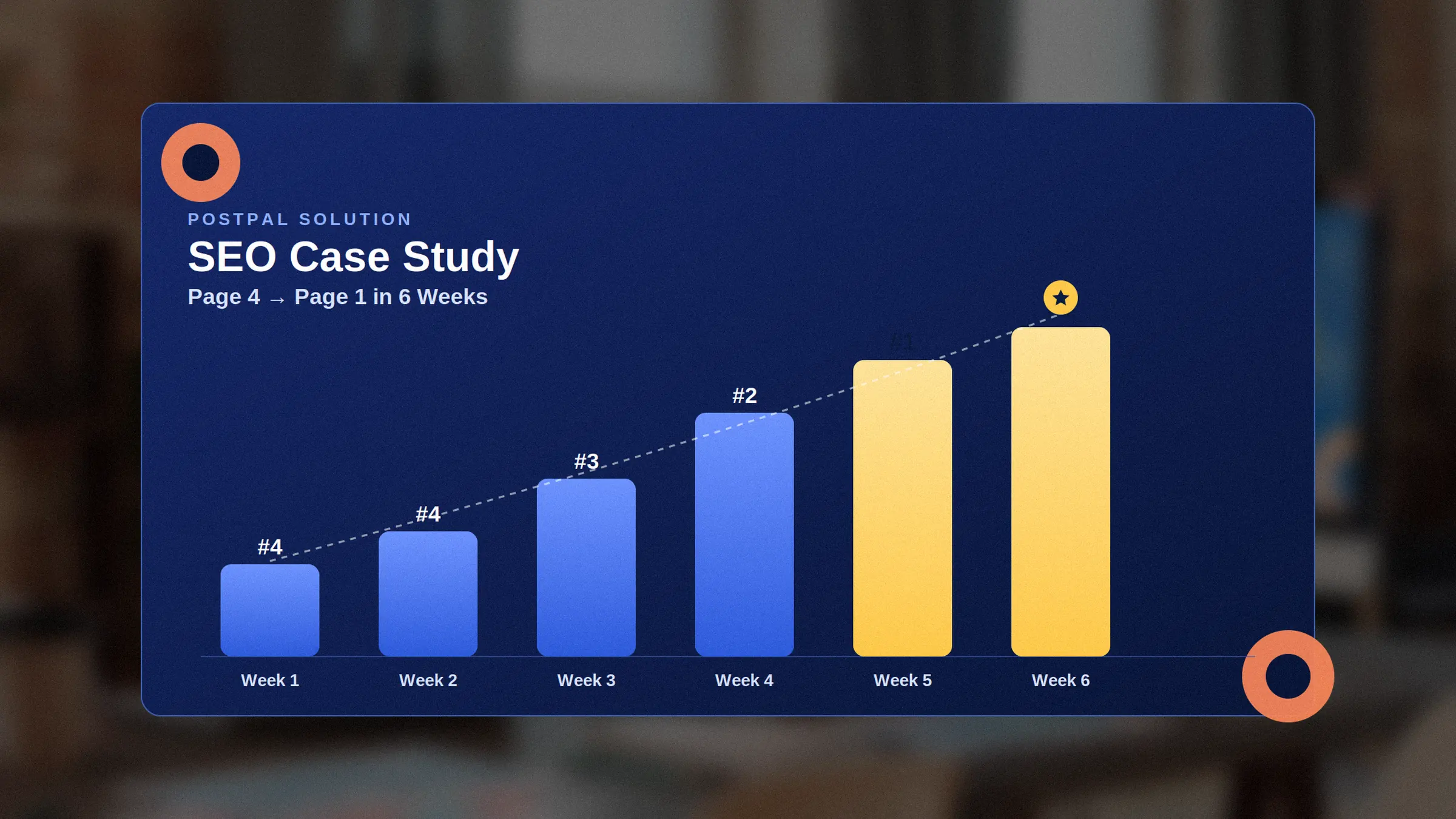
This is when things start to feel real. Keywords start showing up in search results, typically in positions 10 to 30. Impressions in Search Console climb week over week, and you might even land an occasional ranking for a specific term. Actual visitor numbers are still low at this stage, and AI systems generally won't mention your website yet since they're waiting for it to establish more authority first.

Months 6-12: Compounding Growth
This is where the earlier work starts paying off. Primary keyword clusters climb into the top 5, organic traffic often grows 50-200% above where you started, and leads from organic search become something you can actually point to and measure. This is also typically the window where the first AI Overview citations start showing up too, riding on the back of those improving rankings.
12+ Months: A Durable Asset
After one year the rankings usually settle down. The content in your library begins to work as a team rather than each piece being, on its own. This is also when AI search visibility becomes regular. It shows up consistently in AI Overviews and chatbot responses of just appearing now and then as a random mention. If you want the deeper version of this same arc, our complete SEO guide walks through a full 90-day ranking push in more detail.
Practically, this means budgeting for at least six months of consistent work before judging whether SEO is paying off, and ideally planning around a full year if you're in a competitive space. Businesses that treat the first quarter as a trial run and pull out early almost never see the payoff they were actually paying for including the AI-citation upside, which tends to arrive even later than the organic rankings it depends on.
What Growth Actually Looks Like
If you were to plot a small business SEO campaign on a graph, it wouldn't be a straight line. It stays flat for a while, then starts curving upward faster and faster as content and backlinks reinforce each other. That's the compounding part people mean when they say SEO "builds." Early months feel slow because the curve genuinely is flatter there; the payoff comes from staying in it long enough to reach the steeper part, which is exactly where most of the businesses that quit early never get to see and where AI citations tend to start clustering too, once there's enough organic signal for AI systems to trust.

What Speeds This Up (or Slows It Down)
- Starting site authority: A website that's been around for a while, with some history behind it, is going to move faster than a brand new website. This website already has links from sites and people have visited it before.
- Competition level: If you have a heating and air conditioning company you can get to the first page of search results in about three to four months. If you have a big online store that sells things all over the country and there are a lot of other stores like yours, it might take a year or more to get to the first page.
- Consistency: Publishing 2 to 4 quality pieces a month, every month consistently outperforms a burst of ten articles followed by three months of silence.
- Technical health: A slow, broken or poorly structured site holds back everything no matter how good the content or the backlinks pointing to it are.
- Freshness: both Google and AI systems favor recently updated pages over stale ones, so a quarterly refresh of your best-performing pages tends to help results arrive sooner and hold up longer.
None of these factors are things an agency can wave away with a bigger invoice they're just the real variables that decide whether you land at the fast end of these ranges or the slow one.
How to Tell It's Working Before Rankings Show It
If you're three months in and nervous, check Google Search Console before assuming nothing's happening. Rising impressions, improving average position (even outside the top 10), and growing indexation are all signs the groundwork is taking hold before it shows up as real traffic. These early signals are also the clearest way to hold an agency accountable if none of them are moving by month three. That's worth asking about directly. This is exactly the stage our SEO cost guide touches on too: a big part of what you're paying for in the early months is this unglamorous foundation work, not instant rankings.
Worth adding to your dashboard by 2026: an "AI Citation Share" check periodically asking ChatGPT, Perplexity, or Gemini questions your business should answer, and noting whether you get mentioned. The website's ranking position may not shift much within three months, but looking at Search Console data alongside rankings gives you a much better picture of what's actually happening than rankings alone.
Conclusion
SEO timelines are not hard to understand once you see the pattern. First there is work building the base. Then small signs start to appear. Later there is a reward for rankings and visibility, in AI search if you keep going. The companies that succeed are not the ones looking for results. They are the ones who knew the timeline from the start and kept working even when it was slow. If you want a team that sets realistic milestones from day one, take a look at PostPal's SEO Optimization service, or check out the full Digital Marketing & SEO Services guide for how SEO fits alongside your other channels.
Disclaimer: This article is for informational purposes only and doesn't promise specific rankings, AI citations, traffic, or timeline outcomes. Actual SEO results vary depending on industry, competition, website history, budget, and execution.
Frequently Asked Questions
How long does SEO really take to show results?
Why didn't I see any results in the first month?
Can SEO ever work faster than 3 months?
Is it normal for rankings to drop after SEO work is done?
Does showing up in AI Overviews or ChatGPT happen faster than regular rankings?