A client called us last spring convinced she needed a six-month strategy retainer. One conversation in, it turned out she had a single, specific problem: her pricing hadn't changed in three years while her costs had gone up twice. That's not a six-month problem. That's an afternoon, and she walked away from that one call with new numbers and the confidence to actually use them.
The opposite happens as often. Someone signs up for one session hoping for a solution and twenty minutes, in it's clear the real problem is connected to marketing, hiring and cash flow all at once. No one conversation was ever going to fix that.
Neither person was wrong to ask the question. They just hadn’t seen it from the side yet. So, let’s go through how to figure out which one really fits your situation. That way you don’t end up spending money just to learn the way.
What a One-Time Session Is Actually For
A single session works best when you can describe your problem in one sentence. Should we raise prices. Is it time to hire a second salesperson. Does this new location make sense. These are real decisions, but they're contained ones. They don't need weeks of follow-up; they need someone to look at the numbers with you and help you decide.
The appeal is obvious: one fee, one meeting, one answer, and you're back to running the business the same afternoon. For a lot of small businesses, that's exactly the right amount of help. Not every question deserves a project plan.
There's also a confidence side to this that's easy to underestimate. A lot of owners already know, deep down, what the right call probably is. What they're actually paying for in a single session isn't a brand-new answer, it's someone with outside experience confirming the instinct they already had, or pointing out the one thing they hadn't considered. That's a perfectly legitimate reason to book a session, and it tends to be the fastest kind of conversation to have.
Who Tends to Outgrow a Single Session
Some businesses start with a one-time session and quickly realize it only solved a slice of what was actually wrong. That's not a failure of the session, it's useful information. It usually means the original question was really a symptom of something bigger.
A traditional example of this is when a business owner schedules a meeting to find out why a marketing campaign isn't leading to sales. During the meeting it turns out the advertisements are performing well. However, the problem is that leads are not being responded to for a week before someone takes action. Changing the marketing budget does not solve this issue. At this point the discussion starts to move towards an extended collaboration because the real problem affects more, than just one area of the business.
What Changes When the Engagement Goes Ongoing
An ongoing engagement earns its cost when the problem isn't really one problem. It's three or four, and they're feeding each other. Marketing is generating leads nobody follows up on fast enough, which makes sales look weak, which makes the owner cut the marketing budget that was actually working.
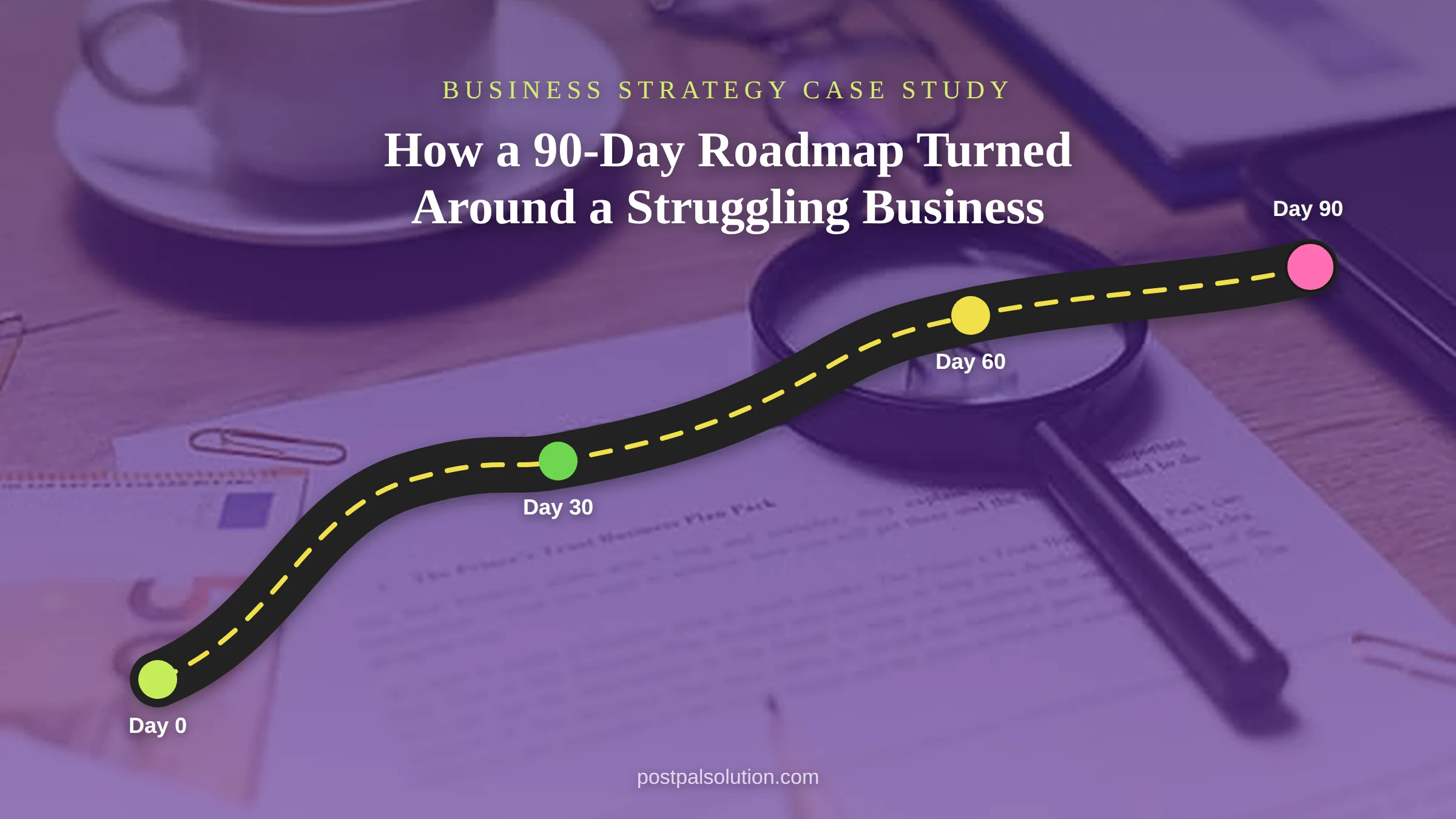
You can't fix that kind of tangle in an hour, because fixing one piece without touching the others just moves the bottleneck somewhere else. That's the whole premise behind our 90-day roadmap case study: the business needed structured phases with checkpoints, not a single piece of advice.

A Quick Way to Check Which One You Need
Try this test before you book anything: write down every issue that's bothering you about the business right now, even the small ones. If everything comes back, to one choice you're likely dealing with a session. When you notice you're jotting down four or five things that don’t seem to connect but all feel urgent at the time that’s usually the pattern of ongoing work coming into view. Take five minutes with a notepad—don’t just think about it in your head. Putting things on paper uncovers links you’d otherwise overlook. Writing it down makes the connections clearer.
|
Situation |
One-Time Session |
Ongoing Engagement |
|
One stuck decision |
Usually enough on its own |
More than the problem needs |
|
Several tangled problems |
Will only solve part of it |
Built for exactly this |
|
Tight, one-time budget |
Fits most budgets |
Needs a recurring budget line |
|
First time working together |
Low-risk way to test fit |
Bigger commitment up front |
The Comparison, Side by Side
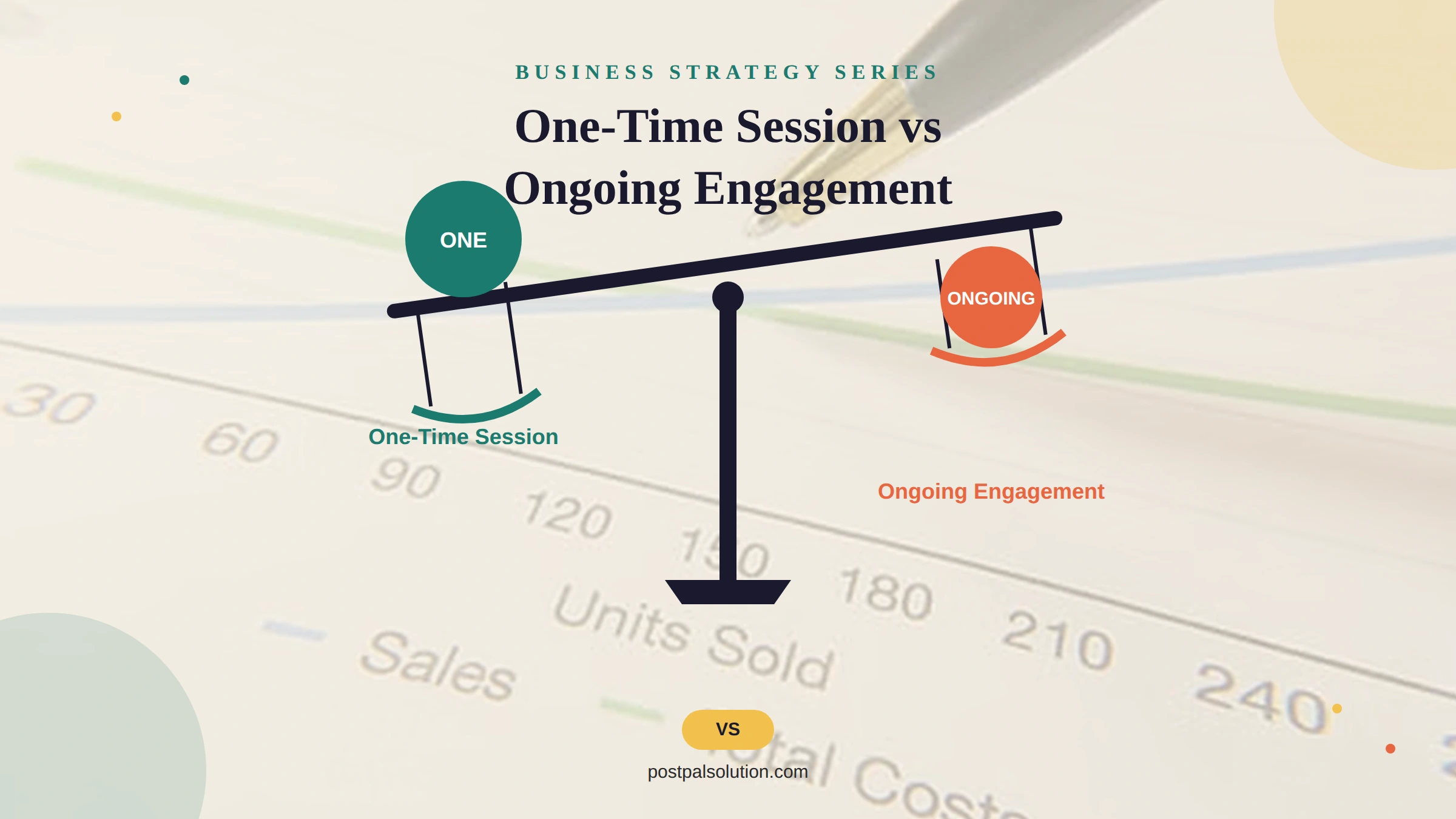
Laid out plainly, the practical differences come down to a handful of things that actually matter when you're deciding:

When People Get This Decision Wrong
The most common mistake isn't picking the wrong option outright. It's picking based on budget instead of the actual shape of the problem. Choosing one session because its less expensive, when the real problem is three issues that are linked usually ends up meaning you pay for that session two or three more times in the next few months. Each time you are fixing a symptom of the same main problem.
The reverse mistake costs more upfront: signing on for a long engagement when a single conversation would have settled things. That's money and time that didn't need to be spent. Neither mistake is really about judgment. It's about not having a clear way to tell the two situations apart before you've already committed to one of them, which is exactly what the test in the next section is for.
Still Not Sure? Start Smaller Than You Think
If you are truly torn the lower‑risk move is always to start with a single session. The lower‑risk move costs less takes time and gives you a direct look, at how the process works before you commit further. Our Business Strategy Basic package is built for exactly that first step, and if it turns out your situation needs more, moving into Business Strategy Growth from there is straightforward. Both are laid out clearly on our pricing page.
Conclusion
The honest answer is that the size of the fee shouldn't drive this decision. The shape of the problem should. One clean, isolated question deserves one focused conversation. A tangle of connected issues deserves the structure and checkpoints that only an ongoing engagement provides. Get that match right, and you'll spend far less money finding your way to the same result.
Disclaimer
This article is for information only. It should not be seen as business, financial or legal advice. Each business has its unique situation. That’s why it’s important to speak with an advisor before choosing any strategy support to invest in.
Frequently Asked Questions
How do I know if I need one session or an ongoing engagement?
Can a one-time session turn into an ongoing engagement later?
Is an ongoing engagement always more expensive overall?
What happens if I choose a one-time session but need more later?
Does PostPal require a long contract for ongoing strategy work?